Source CE Certified Spider Crane for Tight Spaces, Factories, and Construction
Explore 30 CE certified spider crane options designed for narrow space lifting and compact structure applications. Compare models with capacities from 1 to 14 tons, featuring hydraulic systems and dual power support for industrial and construction needs; compare the available evidence and request quotations based on your requirements.
Key considerations
Products List




Comprehensive Sourcing Guide
CE Certified Spider Crane Sourcing Guide
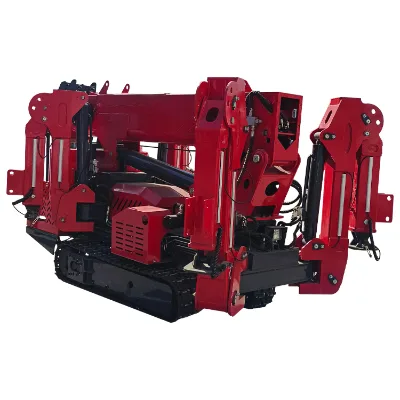
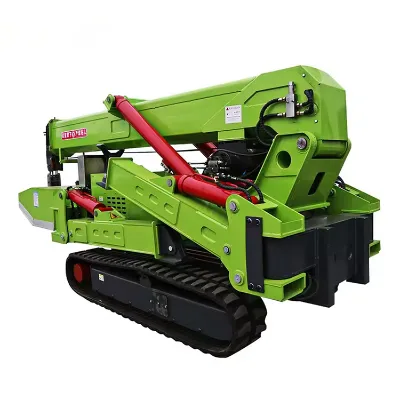
Procuring a CE certified spider crane requires distinguishing between general lifting equipment and specialized units designed for narrow space operations. The observed market data indicates a diverse range of models, from 3-ton to 8-ton rated capacities, with specific configurations like the MS-WT10.0 and MS-WT8.0 series. Buyers must verify that the specific unit selected matches the intended working environment, as these machines are engineered for compact structures where standard cranes cannot operate.
The sourcing process involves analyzing the technical attributes that define operational safety and efficiency in constrained sites. Key observations include variable lifting heights ranging from 5.8 meters to 24.5 meters and maximum working radii that support specific load distributions. Understanding these parameters is essential before engaging with suppliers, as the physical dimensions and boom configurations directly impact the feasibility of deployment in tight industrial or construction zones.
Product Scope and Observed Listing Signals
The product listings reveal a clear segmentation based on lifting capacity and structural design, with observed models supporting loads between 1 and 14 tons. Specific attributes such as the "Compact Structure" and "Applicable: Narrow Space Lifting" confirm the primary use case for these units in confined areas. Buyers should note that while some listings mention a 3-ton capacity, others specify an 8-ton rated loading capacity, necessitating a careful review of the specific model's technical sheet to ensure it meets the project's load requirements.
Listing signals also highlight the versatility of power systems, with some units offering Diesel plus AC dual power support while others rely on a Three-Phase AC Asynchronous Motor. The presence of features like "Electric Moving" and "Hydraulic Motor" walking ways indicates a focus on maneuverability without external power sources in certain modes. Procurement teams must cross-reference these power specifications with the site's available energy infrastructure to avoid compatibility issues during the initial setup phase.
Technical Specifications to Verify
Verification of the boom system is critical, as the observed data specifies a five-boom configuration with a maximum lifting height of 19.6 meters and a working radius of 17.5 meters. The boom angle capability ranges from 0° to 80°, with a specific slew angle of 0° to 360° continuous rotation at 2.1 rpm. Buyers must confirm that the actual slew time and boom extension capabilities align with the operational tempo required for the specific job site, as these metrics directly influence cycle times and overall productivity.
The chassis and mobility specifications require equal scrutiny, particularly regarding the outrigger active form and walking speed. The observed units feature manual rotation for outriggers and a walking speed of 0-2.5 km/h, which is suitable for precise positioning but may require additional time for site transit. Additionally, the ground length and width dimensions, such as 2200mm by 400mm for specific tracks, must be measured against the physical constraints of the access points to ensure the crane can physically reach the lifting location without obstruction.
Compliance and Safety Documentation
Compliance with CE certification is a non-negotiable baseline for these units, with observed listings explicitly stating CE and ISO9001 standards. Buyers must request the full technical file and Declaration of Conformity to verify that the specific serial number matches the certified design, as the CE mark alone does not guarantee that every component meets the required safety directives. The presence of RoHS certification further indicates adherence to environmental standards regarding hazardous substances, which is increasingly important for international procurement contracts.
Safety documentation must also cover the specific protective mechanisms integrated into the crane's design. The observed units include safety valves such as anti-explosion valves and utilize a hydraulic system for power support, which are critical for preventing catastrophic failure under load. Procurement teams should verify that the safety valve ratings and hydraulic pressure limits are clearly documented in the operator's manual and that the emergency stop procedures are clearly defined for the specific control panel type installed on the unit.
Cost Drivers and Commercial Terms
The observed price range of 2099 to 195,000 USD reflects significant variance driven by capacity, power system complexity, and customization options. Units with higher lifting capacities, such as the 8-ton models, or those featuring dual power systems and extended boom configurations, naturally command higher price points. Buyers should analyze the cost structure to understand whether the price includes the specific rope specifications, such as the φ16mm*100m cable, or if these are optional add-ons that will increase the total landed cost.
Commercial terms are heavily influenced by the customization availability and packaging requirements observed in the listings. While some units come with standard wood packing, others offer custom packing solutions which may incur additional fees. The minimum order quantity is consistently listed as 1, allowing for single-unit procurement, but buyers must clarify lead times and whether the warranty period of one year covers the specific components like the battery type or the motor model, as these are high-cost replacement items.
Supplier Qualification and Quality Control
Supplier qualification should focus on the origin and manufacturing standards, with observed data pointing to production in Henan, China, and adherence to National II emission standards. Buyers must verify that the supplier has a proven track record of exporting CE-certified machinery and can provide evidence of their quality control processes for the Three-Phase AC Asynchronous Motor and the hydraulic systems. The presence of ISO9001 certification suggests a structured approach to quality, but on-site audits or third-party inspections are recommended to validate the actual manufacturing practices.
Quality control checks must extend to the surface treatment and assembly precision, as the listings mention plastic spraying and specific color chart options like Ral. These aesthetic and protective finishes are indicators of the overall build quality and resistance to corrosion, which is vital for equipment operating in harsh environments. Buyers should request pre-shipment inspection reports that verify the net weight, such as the 3-ton figure, and confirm that the assembled dimensions match the stated standard of 3200mm by 980mm by 1750mm to ensure transportability.
Long-Term Procurement Checks
Long-term procurement success depends on the availability of spare parts and the clarity of the warranty terms. The observed one-year warranty covers the unit, but buyers must explicitly define the scope of coverage for high-wear items like the rope, the hydraulic motor, and the battery type, which is specified as a free maintenance lead acid battery. Establishing a clear protocol for warranty claims and understanding the lead time for replacement parts is essential to minimize downtime during the operational lifecycle of the crane.
Maintenance planning should also account for the specific technical requirements of the power and control systems. The control panel type and the dual power support system require specialized knowledge for troubleshooting and repair. Buyers should negotiate training sessions for their maintenance staff and ensure that the supplier provides detailed technical manuals in English. This proactive approach ensures that the equipment remains operational and safe throughout its service life, protecting the initial investment in the CE certified spider crane.
FAQs
What certifications do these spider cranes hold?
These spider cranes hold CE, RoHS, and ISO certifications, ensuring compliance with international safety and quality standards. Some models also feature BV certification. This documentation verifies that the equipment meets rigorous manufacturing requirements for global deployment and operational safety in various industrial environments.
Can the spider crane operate in narrow spaces?
Yes, the spider crane features a compact structure specifically designed for narrow space lifting applications. Its small footprint and hydraulic walking system allow it to navigate tight industrial areas, construction sites, and confined facilities where traditional cranes cannot fit, ensuring efficient material handling in restricted zones.
What is the rated loading capacity of the crane?
The rated loading capacity varies by model, with specific units offering 3-ton and 8-ton capacities. The general product line supports capacities ranging from 1 to 14 tons. Buyers should select the specific model, such as the MS-WT8.0 or MS-WT10.0, based on their precise lifting requirements.
How high can the spider crane lift loads?
The maximum lifting height ranges from 5.8 meters to 24.5 meters depending on the boom configuration. The maximum ground lifting height can reach 19.6 meters. This versatile range allows the crane to handle multi-story construction tasks and industrial maintenance operations requiring significant vertical reach and precision.
Is customization available for the spider crane?
Customization is available for various aspects of the spider crane, including color, packing, and specific operational features. Buyers can select from RAL color charts and choose between wood packing or custom packaging solutions. This flexibility ensures the equipment meets specific logistical and branding requirements for international shipments.
What power sources does the spider crane use?
The spider crane utilizes a diesel and AC dual power system for versatile operation. It features a three-phase AC asynchronous motor and a hydraulic system for movement. This dual-power capability allows the crane to operate efficiently in locations with varying electrical infrastructure, ensuring continuous performance during lifting tasks.